

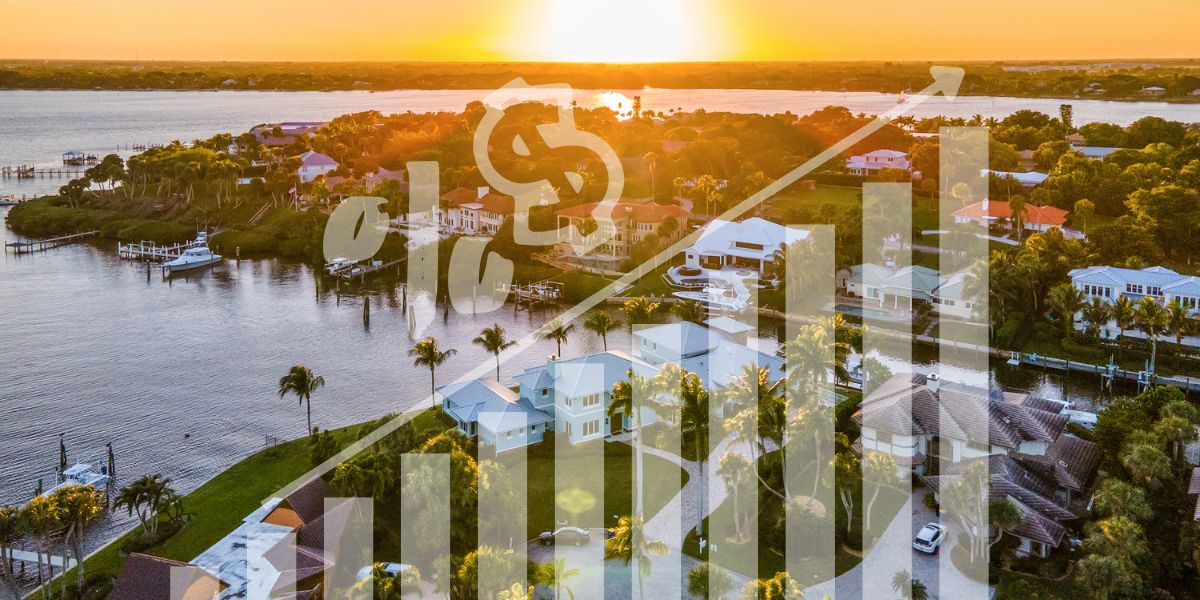
The South Florida real estate market continues to attract global investors seeking growth, stability, and long-term appreciation. Between 2025 and 2030, experts forecast a significant wave of projected appreciation in specific areas — driven by migration, limited inventory, infrastructure expansion, and the region’s unique tax advantages.
According to MIAMI Realtors, the median home price in South Florida is expected to grow by around 4% annually in 2025, supported by strong demand and low inventory levels. Other reports estimate that appreciation could reach 10% or more in select premium neighborhoods by 2030.
For investors, understanding projected appreciation is not just about buying a property — it’s about identifying where the highest capital growth will occur over the next decade.
Top Areas with the Highest Projected Appreciation in South Florida
Below is a strategic overview of the areas expected to deliver the strongest projected appreciation from 2025 to 2030.
Miami Beach / South Beach
Miami Beach remains one of the most resilient and globally recognized real estate markets in the United States. Its projected appreciation remains strong due to limited oceanfront supply, consistent international demand, and the prestige of its brand.
Key Drivers:
• Luxury tourism and global branding.
• Oceanfront scarcity.
• High-end condo developments with world-class amenities.
• International demand, particularly from Latin America, Europe, and Canada.
Investment Insight:
Entering this market now allows investors to capture steady projected appreciation in a mature luxury market. The most resilient segments are high-end condos, waterfront residences, and branded developments combining lifestyle and exclusivity.
Downtown Miami / Brickell / Edgewater
Downtown Miami and Brickell are evolving into a global financial hub. The projected appreciation in this area is supported by large-scale mixed-use projects, population growth, and the influx of multinational headquarters relocating to Miami.
Key Drivers:
• Tech and finance companies moving into Miami.
• Urban lifestyle demand (“live, work, play”).
• High-end developments and infrastructure improvements.
• Rapidly increasing rental demand.
Investment Insight:
This area offers strong projected appreciation but requires careful selection among numerous new developments. Focus on projects with prime locations, waterfront views, and strong developer reputations.
Wynwood / Allapattah / Little Havana (Emerging Zones)
These neighborhoods offer some of the highest projected appreciation potential due to gentrification, urban renewal, and cultural appeal.
Key Drivers:
• Lower entry prices compared to Brickell or Miami Beach.
• Increasing investment in art, dining, and culture (especially in Wynwood).
• Rapid neighborhood transformation and rezoning.
Investment Insight:
For investors seeking long-term projected appreciation, these emerging zones represent early-stage opportunities. However, they also carry higher risk due to evolving infrastructure and market volatility.
Coconut Grove / Coral Gables
Coconut Grove and Coral Gables combine timeless prestige with consistent projected appreciation. These areas attract families and professionals seeking safety, quality of life, and stable returns.
Key Drivers:
• Established neighborhoods with limited new inventory.
• Excellent schools and green spaces.
• Steady demand from high-income residents.
Investment Insight:
While the projected appreciation is moderate compared to emerging areas, the long-term stability and low volatility make these neighborhoods ideal for conservative investors focused on wealth preservation.
Strategic Takeaways for Investors
• Enter early: The sooner investors acquire properties in high-growth zones, the stronger the compounded effect of projected appreciation.
• Quality and location: Not all properties in the same neighborhood appreciate equally; waterfront, corner units, and branded residences perform best.
• Medium to long-term horizon: Between 2025–2030, patience pays. Focus on holding rather than flipping.
• Diversify risk: Combine emerging areas (high growth) with established ones (low risk) for balanced returns.
• Monitor market indicators: Insurance costs, local taxes, and regulation may impact projected appreciation over time.
The next five years will define the future of South Florida’s real estate market. For investors seeking growth in U.S. dollars, these areas with high projected appreciation offer a unique opportunity to build wealth in one of the world’s most dynamic coastal markets.
Whether the goal is capital gains, rental income, or portfolio diversification, South Florida remains a strategic investment destination — combining global appeal, economic strength, and unmatched lifestyle value.


